- Published on
Solo at 7X
I am the only developer at 7X.
The studio is a catalogue of small tools for ordinary days: food, training, a timetable, a song, a map. I write the code, review it, and ship the release myself. I keep the apps that earn a place on my own phone.
This is a note on that work. What has been shipping, a short pass over the apps, the stack underneath, and where I think software work is heading for someone in this seat.
What has been shipping
The last few weeks have been less about new ideas and more about making the catalogue cheaper and safer to run.
location.lol and loc8 now show nearby fuel prices on a color-coded map and remember the last search. Charger results keep the connector detail. The product is focused on Australian stops, and the server enforces a usage allowance so a map session cannot run away with the bill.
Daiet moved its functions to a current Node runtime. Each attempt at an AI provider is reserved against a server ceiling before it runs. Pantry and recipe screens keep drafts. A meal plan can be peeked at without committing to it.
4ever shipped home actions on a program, alternative sets and reps, and a bound on how much program parsing is allowed to cost.
diday has been through store metadata, screenshots, and release bumps. numnum had its privacy disclosures corrected for analytics and optional accounts, and it is being prepared for the newer Supabase public keys, under the same shared usage allowance. 4get reached 2.3.0 with clearer countdown cards and localization. Echo reached 1.21.0, including listen-only CarPlay. Laulupidu went through a store privacy pass. DJ7X had its website measurement separated from the other 7X sites.
Behind that, the private ops app can show usage blocks and allowances. The task board records when a piece of work was added, started, blocked, and finished. A ready task can be flagged so an agent on my machine picks it up next.
That is the shape of the job now. I decide the change. An agent often writes the first diff. I still own the review, the cost, and the store submission.
The apps, in short
These are tools I keep because I use them. One screenshot each, where I have a clean one. A few apps are described without a picture, because the captures I have show people, a gym, or family detail that does not belong on this page.
diday
A day with a clock on it. I build a plan, stamp it onto dates, and share it with the people who need the same timetable.
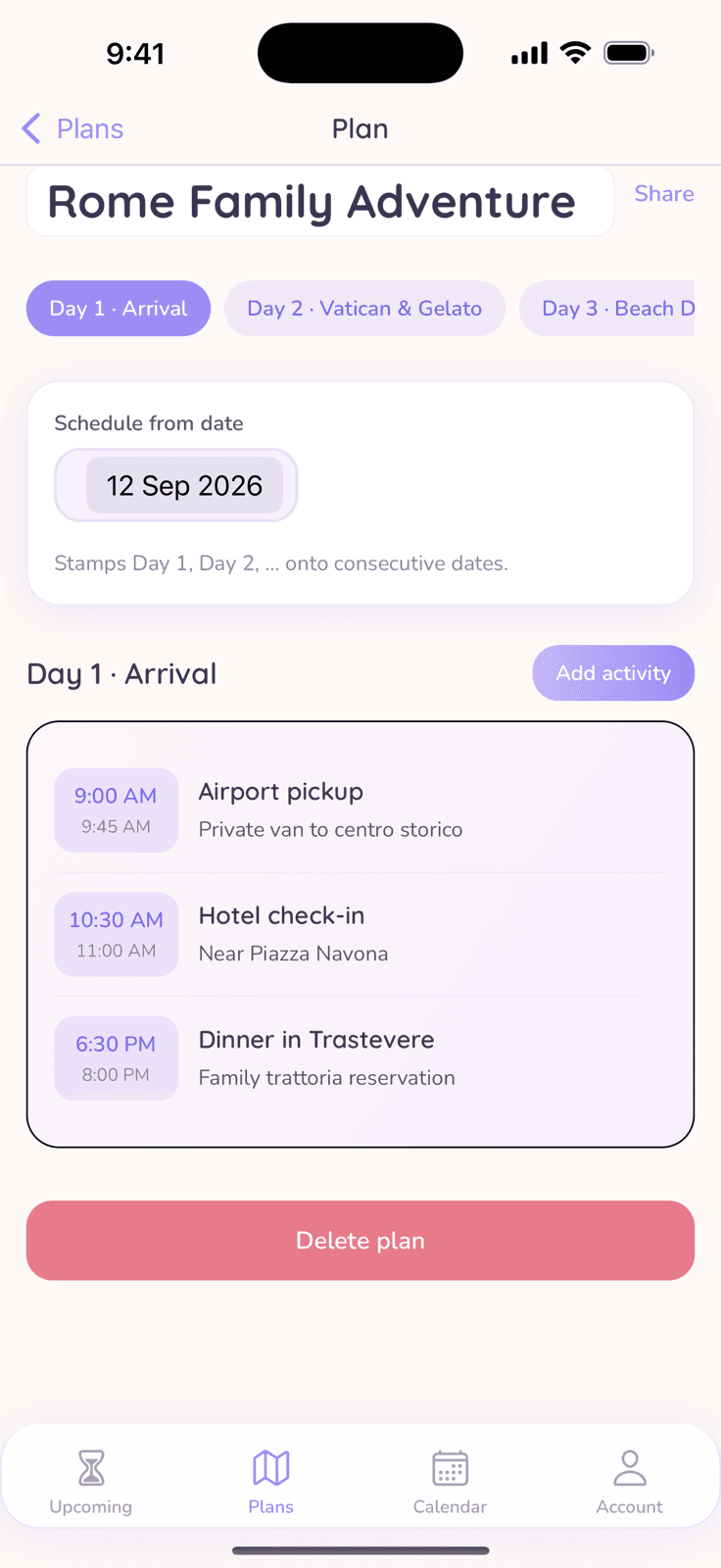
Expo and React Native. Firebase for sign-in, the database, and sharing. Reminders stay on the device.
numnum
The nightly "what are we eating" question. I keep the meals we already like, then shuffle one.
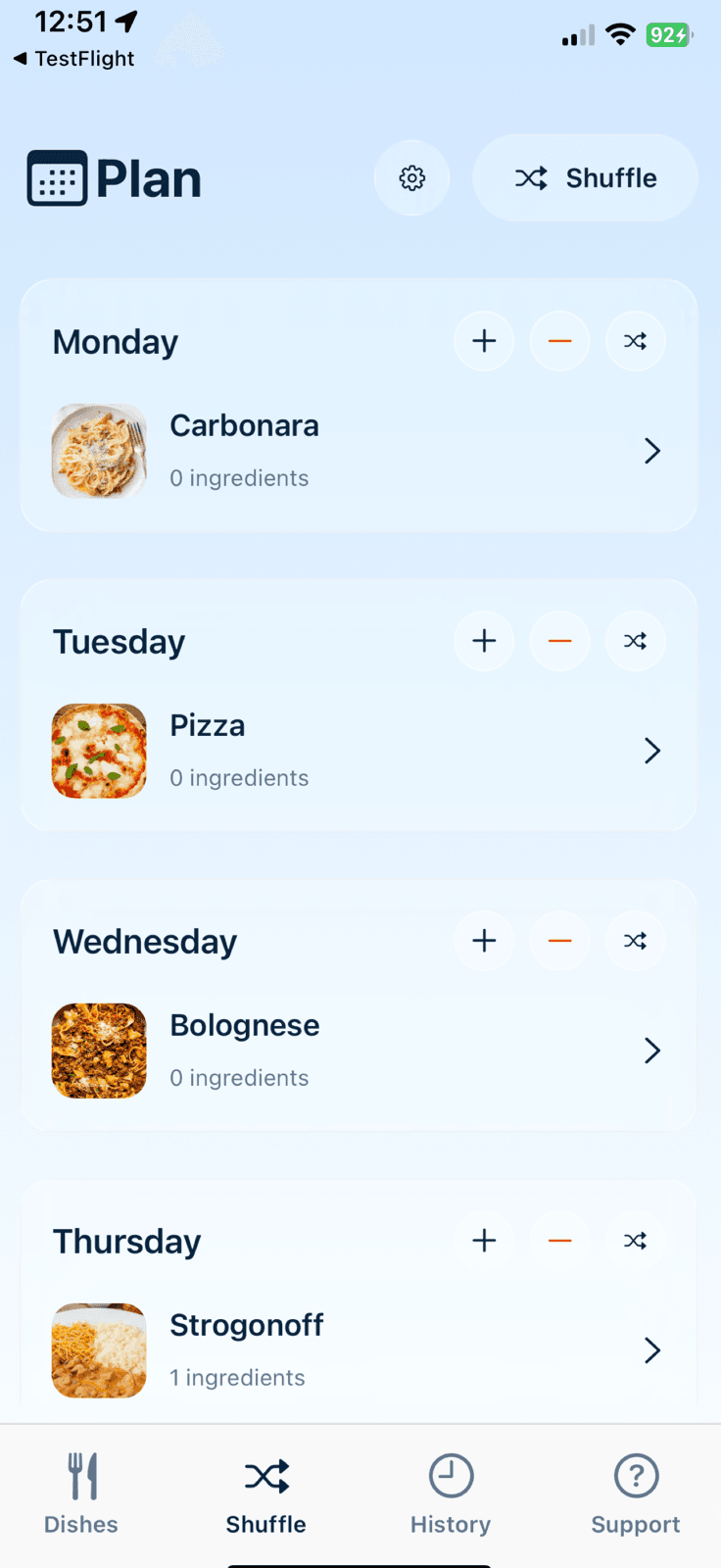
Expo, with Supabase underneath.
PlayPal
When an afternoon needs an activity, I search this list instead of inventing one. Age, time, and energy are on the card.
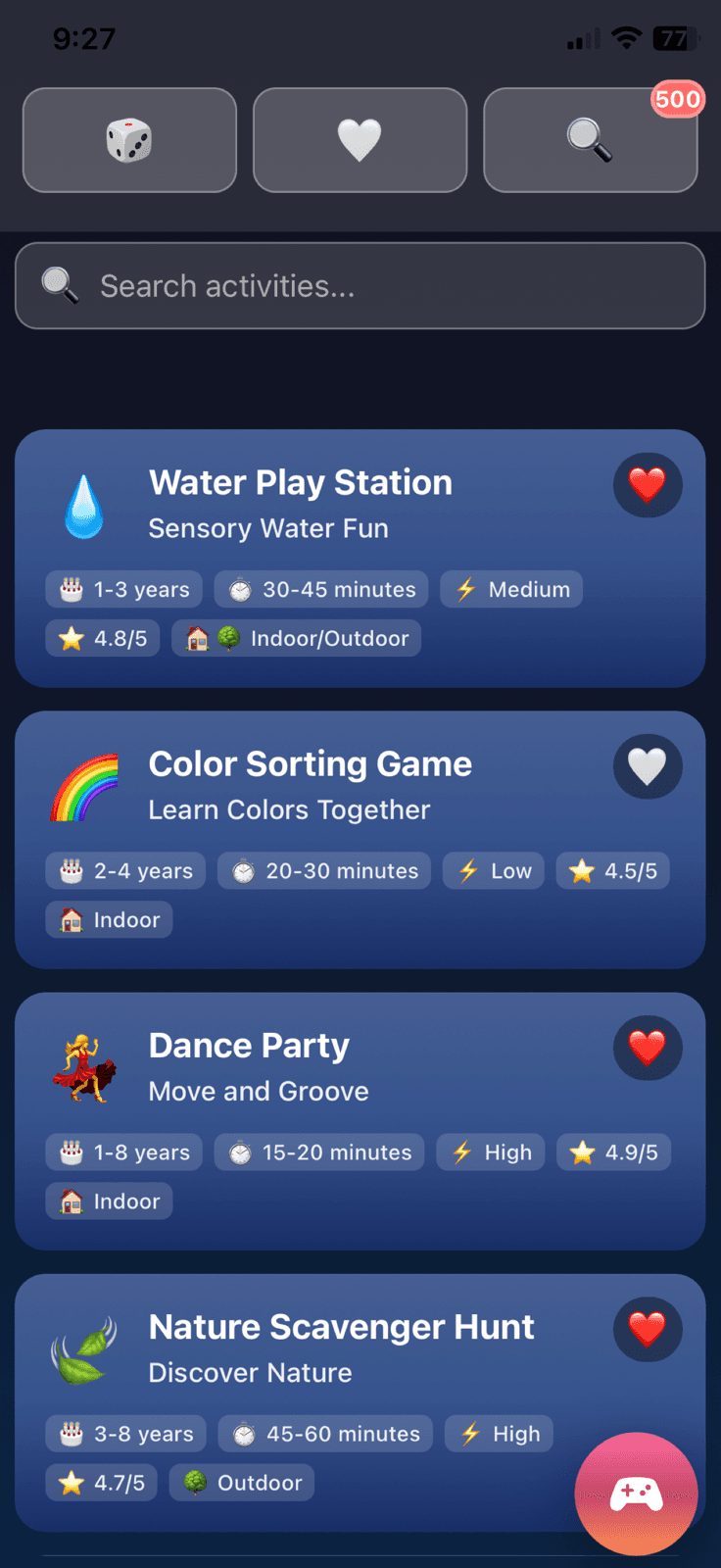
Expo. The catalogue of ideas lives in the app.
Daiet
I describe how I want to eat. Daiet turns that into a timed plan, a shopping list, and calorie targets, and keeps a body diary next to the food.
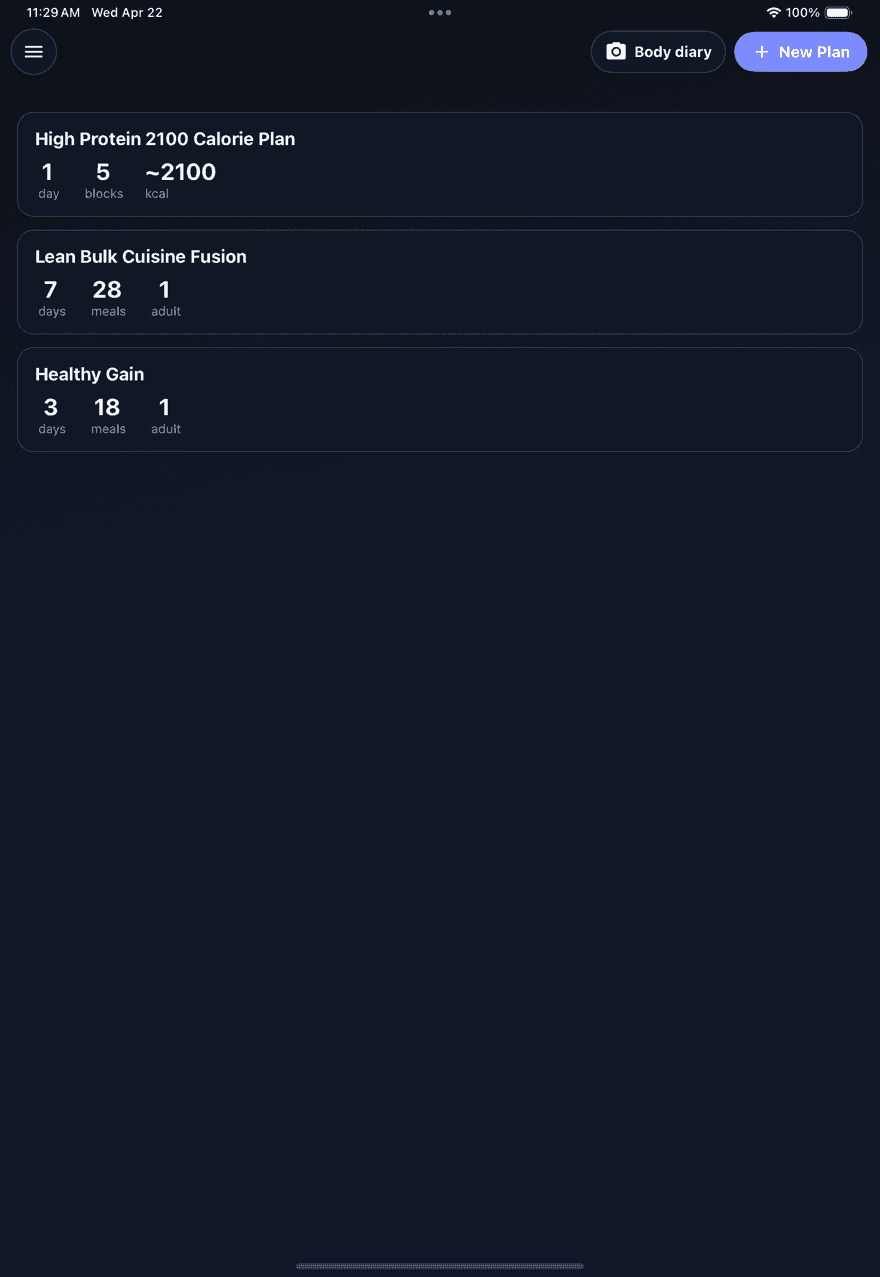
Expo and Firebase. The meal generation runs server-side, with a ceiling on each provider attempt.
Scale Log
A goal weight, the current number, the days left, and the daily pace that implies. I log the number and a note about how I feel.
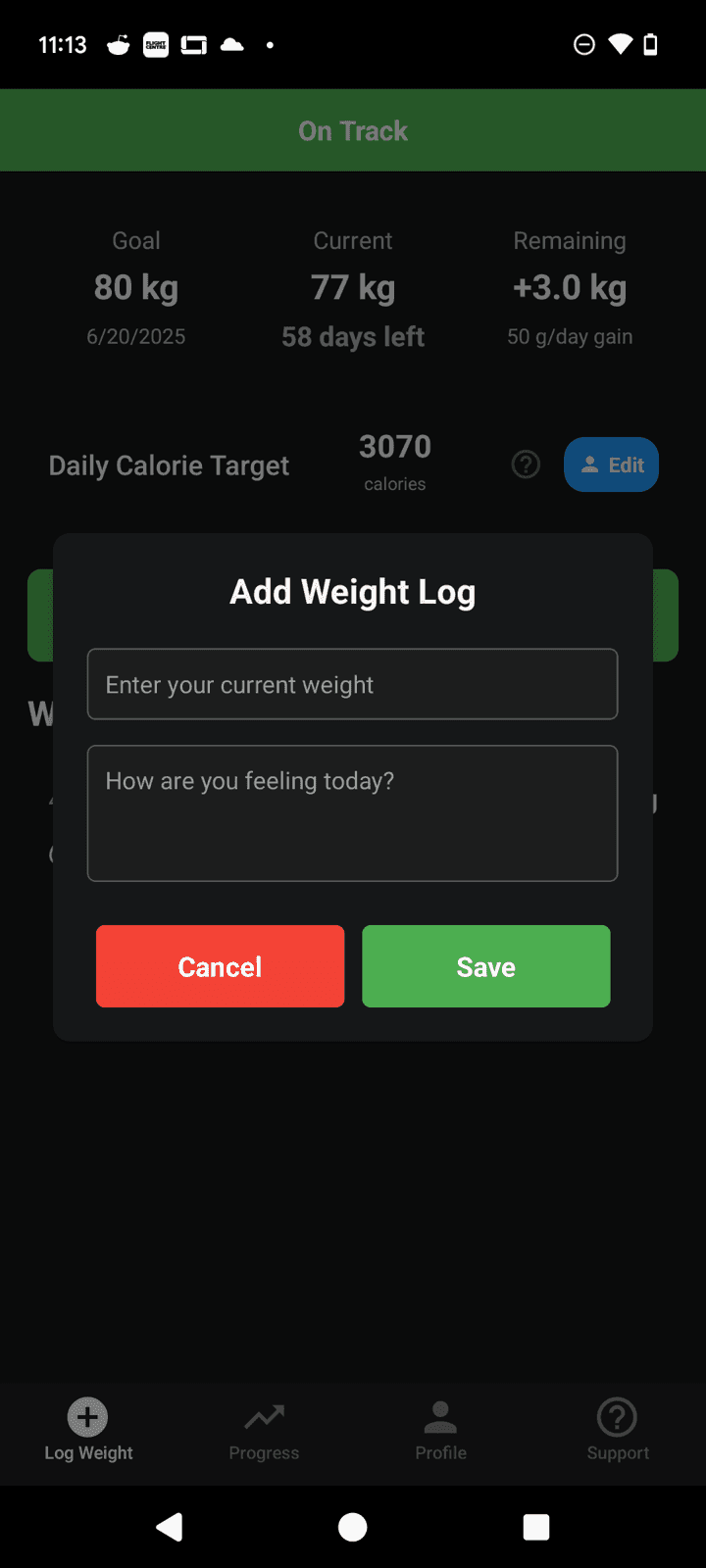
Expo. The log stays with the person using it.
4ever
I train from a program. Sessions, exercise video, and the load from last time sit in one place. The same app is what a coach uses to build that program once and hand it over.
Expo and React Native, with Supabase. Parsing a pasted program, and suggesting an exercise alternative, runs through a bounded server function.
Dojo
Check-in, a timetable, class sequences, and student progress for a martial-arts room. I use it for the timetable and check-in.
Same Expo codebase as 4ever, shipped as its own app.
Echo
Spoken Estonian. I see a phrase, say it, and get told whether it landed. CarPlay is listen-only, for the drive.
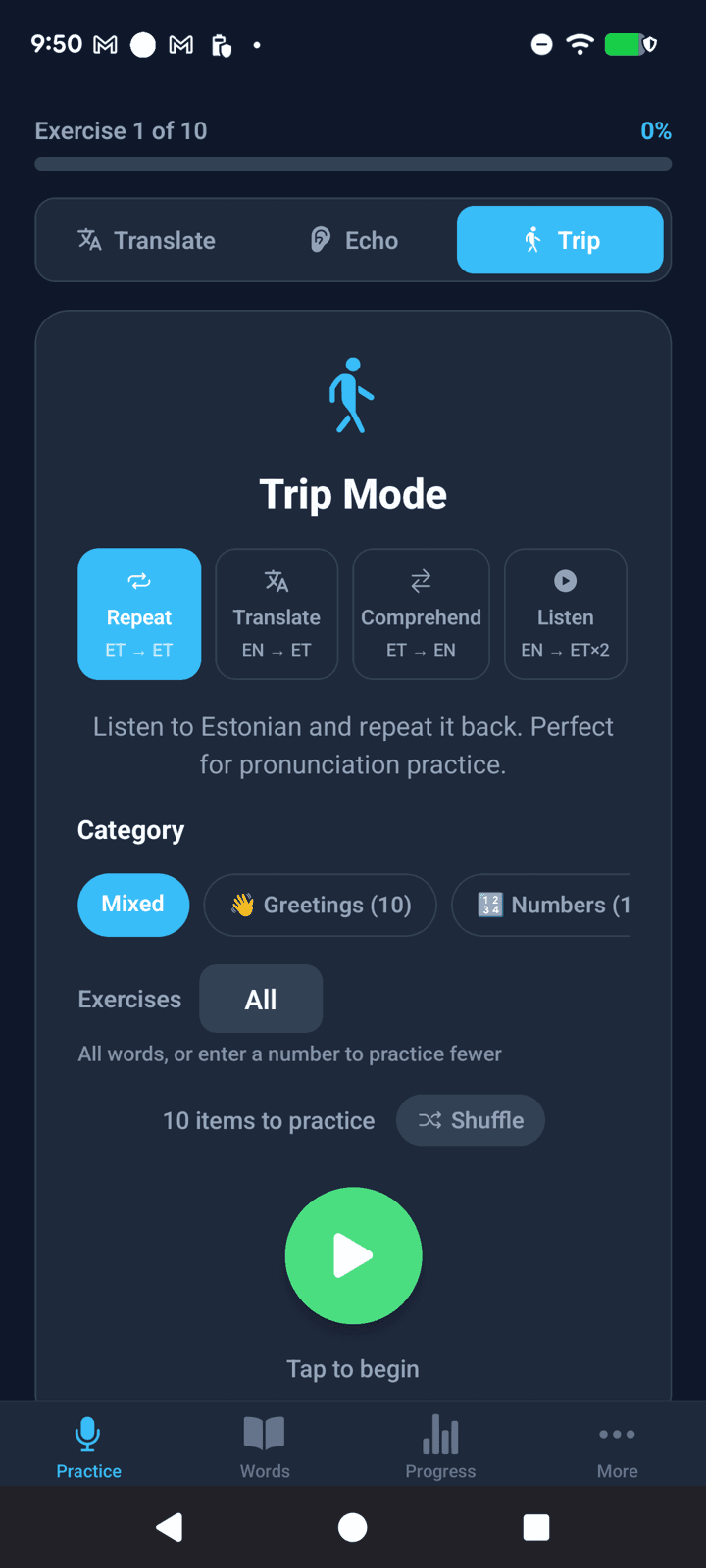
Expo and React Native. Speech recognition stays on the device. CarPlay is a native module added at build time.
7 Flashcards
Small decks I write myself. Flip, peek at a hint, shuffle, and mark the ones I know. Estonian months are a typical deck.
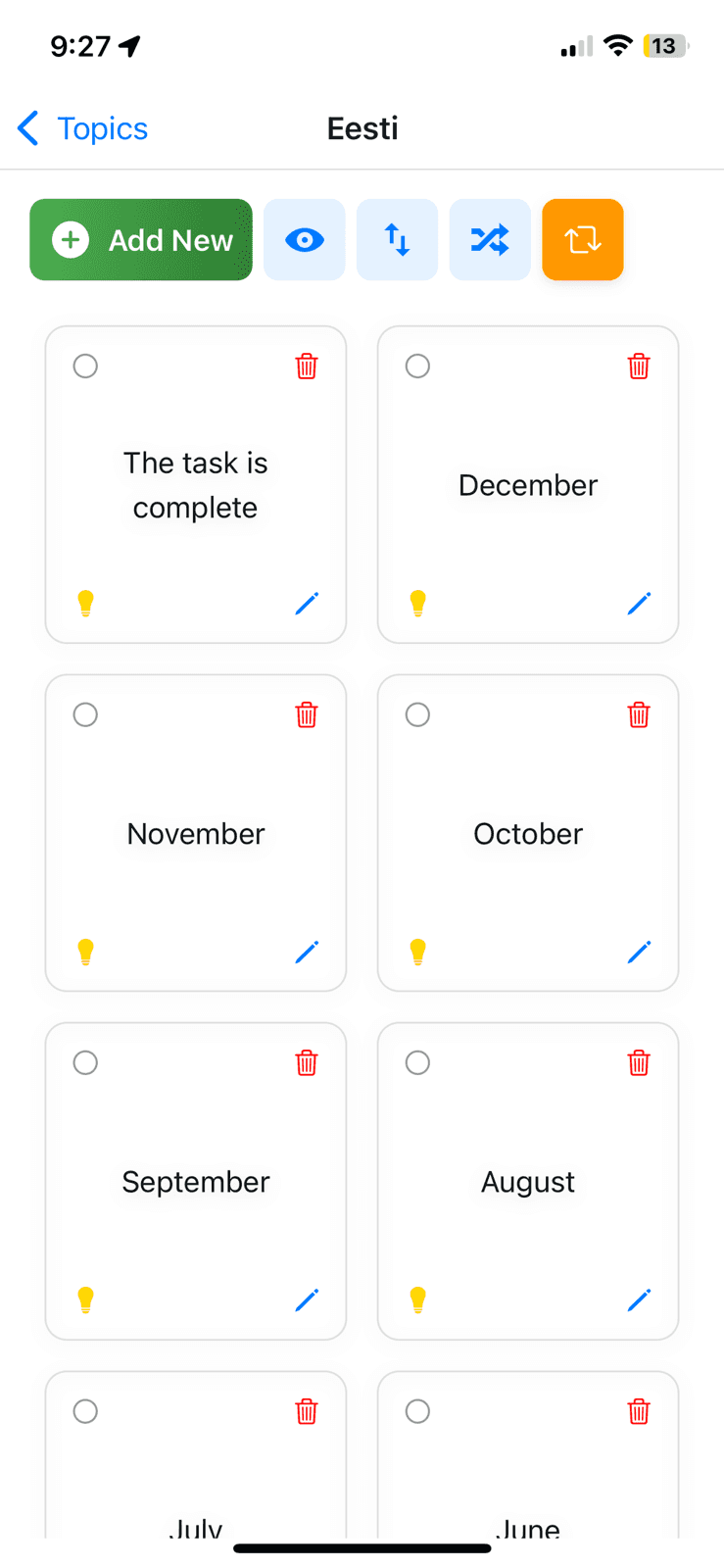
Expo.
Laulupidu
A chord chart, on the phone, in a type size I can read while playing. Auto-scroll, a metronome, and a capo. The library stays on the device. There is no account and no song catalogue.
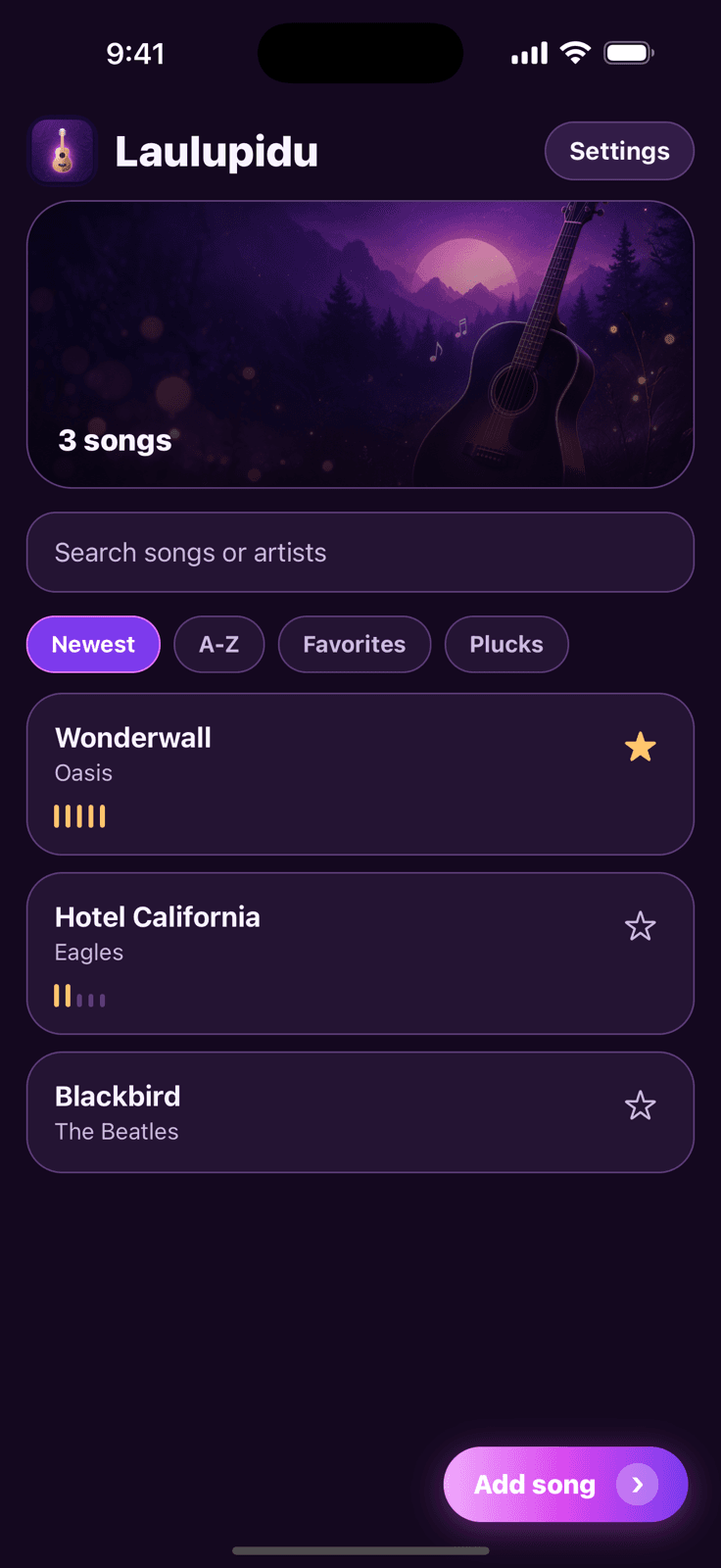
Expo. Nothing is synced to a server.
4get
A date on a photo, counted in days, weeks, months, years, and working days. Birthdays show the age someone is turning. I use it for the dates I do not want to hold in my head.
location.lol and loc8
location.lol is the website. loc8 is the phone app. I look up what is around an address, compare a trip, and, lately, check fuel on the map before I go.
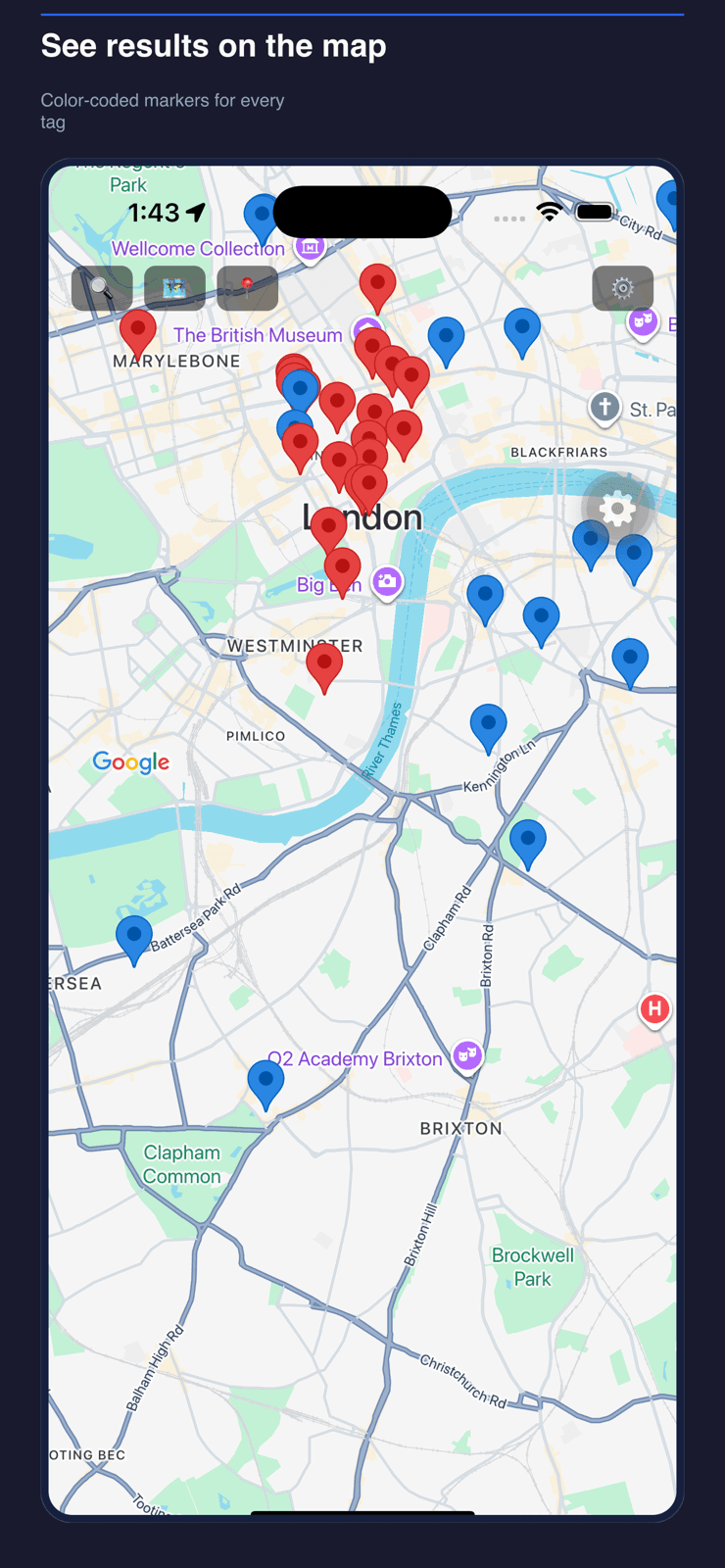
The site is Next.js on Vercel, with Firebase sign-in and Postgres for the login ledger. loc8 is Expo. Maps and places come from Google, which is why the server allowance matters.
DJ7X
Two YouTube decks in the browser. I use it when a room needs music and nobody wants to stand at a laptop. No account.
Next.js, at dj.7x.network.
Luiz Duncan
A coaching site for a trainer: programs, stories, and a way to get in touch. I built it and I keep it up.
Next.js, with Supabase.
No probLlama
Not on my phone as a daily tool yet. The aim is a local language model, on the device, with nothing sent away. It is still marked coming soon.
The stack
Almost every phone app is Expo and React Native, released to the App Store and Play with Fastlane. EAS is still there when a cloud build is the simpler path.
The websites are Next.js on Vercel: the 7X catalogue, location.lol, DJ7X, this journal, and the coaching site.
Data is split on purpose. Supabase and Postgres hold 4ever, numnum, and the network site. Firebase holds sign-in and documents for diday, Daiet, and location.lol, plus analytics where a release needs them. I do not force one backend onto an app that is already living on the other.
AI shows up in two places I actually depend on. Daiet writes a meal plan from a description. 4ever reads a pasted program and can suggest a replacement exercise. Both are capped on the server. A prompt is not allowed to become an unbounded bill.
The ops app is Expo as well. It reads the same accounts I use to ship: store status, usage, and the task board. That board is how a solo practice stays legible. If I cannot see what is in flight, I cannot hand a task to an agent and then trust the result.
Where this work is going
The valuable part of software engineering, for me, is no longer the speed of typing. Agents already draft the diff, the test, the store notes, and a first pass at the copy. The scarce work is the decision in front of that draft.
What should exist. What it is allowed to cost. What it is allowed to know about a person. Whether the screen is honest. Whether I would open it on a Tuesday.
A solo developer with agents can hold a catalogue that used to need a small team. That is already true in this studio. It does not mean the products get larger. It means more small tools can stay finished, updated, and cheap to run. The moat is not a hundred features. It is a tool that does one job well enough that I reach for it myself.
I do not think the job disappears. I think it splits. People who can only produce code on request will feel the squeeze. People who can point an agent at a real constraint, reject a bad diff, and ship to a store without leaking a user's life will have more work than they can finish.
That is the bet behind 7X. Useful tools. A considered life. One person, a handful of agents, and a phone full of apps I am willing to keep.
The catalogue is here: 7X apps.